How to Know If You’re Qualified to Be a Paraeducator
Becoming a paraeducator can be a rewarding and meaningful career—especially if you’re passionate about supporting students and working in schools. But before applying, it’s natural to wonder:
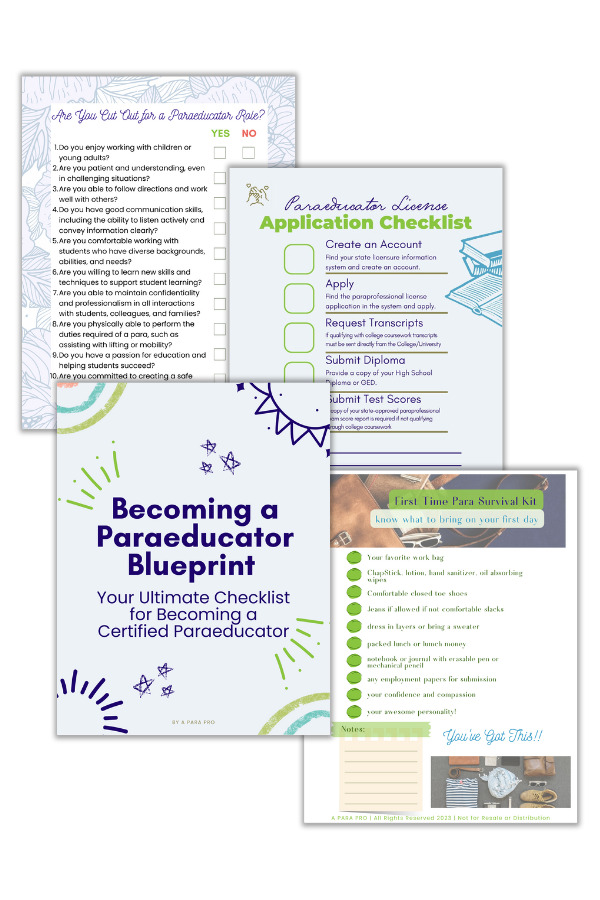
Am I actually qualified to be a paraeducator?
I will help you evaluate your readiness by breaking down:
- Required and preferred qualifications
- Skills and personal traits that matter most
- Different types of paraeducator roles
- How to assess your experience (even if you’re just starting out)
Whether you’re exploring education for the first time or considering a career change, I will help you decide if becoming a paraeducator aligns with your goals.

What Does It Mean to Be “Qualified” as a Paraeducator?
Being qualified to be a paraeducator doesn’t always mean having years of experience or advanced degrees. Schools look for a combination of education, skills, and personal qualities that allow you to support students effectively.
Paraeducators (also called paraprofessionals or teaching assistants) work under the supervision of licensed teachers to:
- Support student learning
- Reinforce instruction
- Assist with behavior and personal care when needed
- Help create a safe, inclusive classroom environment
Basic Educational Requirements for Paraeducators

Minimum Requirements (Most Common)
- High school diploma or GED
- Background check
Preferred or Required in Some Districts
- College coursework (education or related field)
- Associate degree
- Passing a paraeducator or ParaPro assessment
- State- or district-specific certification
📌 Important: Requirements vary by state and school district, so always check local guidelines.
Key Skills That Make You a Strong Paraeducator Candidate
You may already be qualified—even if you don’t realize it.
Essential Skills Schools Look For
- Strong communication skills
- Patience and empathy
- Ability to follow teacher direction
- Adaptability and flexibility
- Willingness to learn on the job
Helpful Experience (Formal or Informal)
- Volunteering with children
- Tutoring
- Babysitting or childcare
- Coaching or mentoring
- Classroom or school support roles
Experience doesn’t have to be formal to count.
Personal Traits That Indicate You’ll Succeed as a Paraeducator
You’re likely a good fit if you:
- Enjoy working with children or teens
- Stay calm in challenging situations
- Thrive in structured environments
- Are supportive, not controlling
- Value teamwork and collaboration
Which of these already describes you?
Paraeducators are often the steady, trusted adults students rely on every day.
Types of Paraeducator Roles You May Qualify For
Paraeducator roles vary by setting and student needs.
Common Paraeducator Settings
- Special education classrooms
- General education classrooms
- Early childhood programs
- Intervention or small-group support
- One-on-one student support
Each role may emphasize different skills—but the foundation remains the same: supporting student success.
Which para role fits you best?
How to Assess If You’re Qualified (Self-Assessment)
Ask yourself:
- Do I enjoy supporting others rather than leading the room?
- Can I take direction and feedback well?
- Am I comfortable adapting to different student needs?
- Do I feel fulfilled helping students grow academically or emotionally?
If you answered “yes” to several of these, you may already be qualified—or very close.
Training and Certifications That Can Strengthen Your Qualifications
While not always required, these can boost your confidence and hiring potential:

- ParaPro Assessment
- Special education training
- Classroom behavior management
- CPR / First Aid
- Child development courses
Ongoing training shows schools you’re committed and proactive.
Learning From Current Paraeducators
One of the best ways to gauge your readiness is by talking to people already in the role.
You can:
- Join online paraeducator communities
- Follow education support professionals on social media
- Ask about day-to-day responsibilities
- Learn what they wish they knew before starting
Real insight beats assumptions every time.
Is Becoming a Paraeducator Right for You?
You don’t need to be perfect; you need to be prepared, compassionate, and open to learning.
If you:
- Want to work in schools
- Care deeply about student success
- Value meaningful, hands-on work
Then becoming a paraeducator may be an excellent path for you.
👉 Download the Start Your Para Journey Checklist (Free)
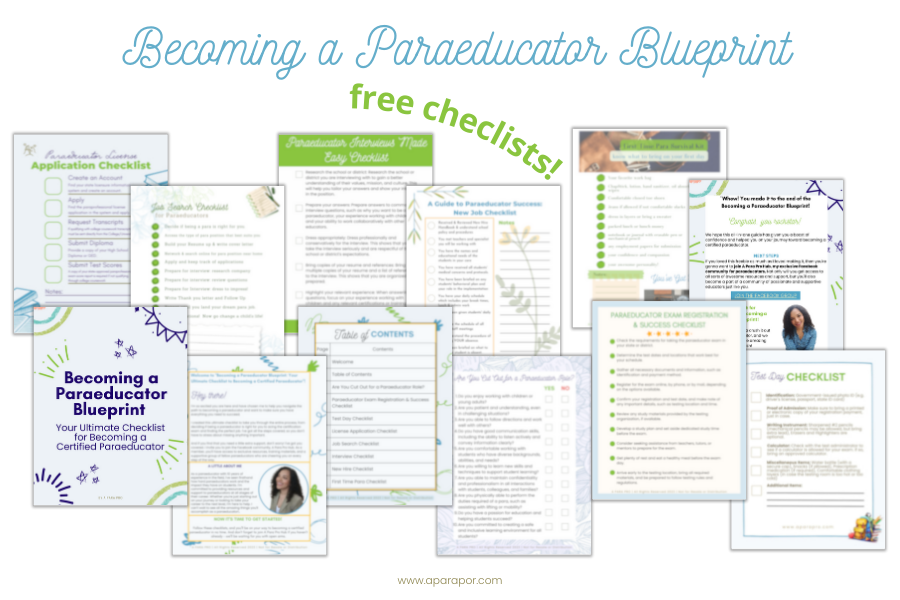
Explore qualifications, next steps, and how to prepare with confidence.
Questions & Answers

Final Thoughts
Being qualified to be a paraeducator isn’t about having everything figured out—it’s about being ready to support, learn, and grow alongside students.
If this role speaks to you, trust that curiosity.
Education needs people like you.